

Agriculture & Ranch Fencing
Agricultural Fence Installation in Humboldt County, CA
Cattle fence, high-tensile, field fence, deer exclusion, and ranch gates for working farms and ranches across Humboldt, Trinity, Shasta, Del Norte, Tehama, Butte, Lake, Sonoma, and San Mateo counties.
Ag fencing is a different business than residential. Scale is larger (hundreds to thousands of linear feet rather than hundreds), cost-per-foot is lower, and the spec depends entirely on what you're containing or excluding. We install every major type of agricultural fence across our residential service area, dairy perimeters in the Ferndale delta, cattle fence across the Eel River valley, deer exclusion for growers in Willow Creek and SoHum, horse-property fencing for hobby farms around Arcata and McKinleyville, and ranch perimeters out to Redding and south to Willits.
What we're best at in ag work is the unglamorous structural details, corner bracing, gate hardware sized to actual gate weight, post-setting depths that survive saturated winters, and wire tension that stays consistent over decades. Fences that hold their line for twenty years, not five.
Cattle and livestock fencing
Barbed wire cattle fence. The workhorse of American ranching. 4 or 5 strands of galvanized barbed wire on wood posts, steel T-posts, or both. Standard cattle spec is 5 strands with graduated spacing. Best for cattle perimeters, open range, and large parcels.
High-tensile smooth wire. Modern evolution of cattle fence. 5, 7 strands of 12.5-gauge high-tensile wire on fewer posts than barbed wire, with in-line tensioners and the option to electrify one or more strands. More expensive up front, longer-lasting, better for rotational grazing and dairy operations.
Woven wire field fence. Mesh fence with horizontal and vertical wires woven into a grid pattern. Used for sheep, goats, pigs, and mixed livestock. Available in various heights (3 ft, 4 ft, 6 ft) and mesh spacings. Graduated spacing (tighter at the bottom) prevents small animals from squeezing through.
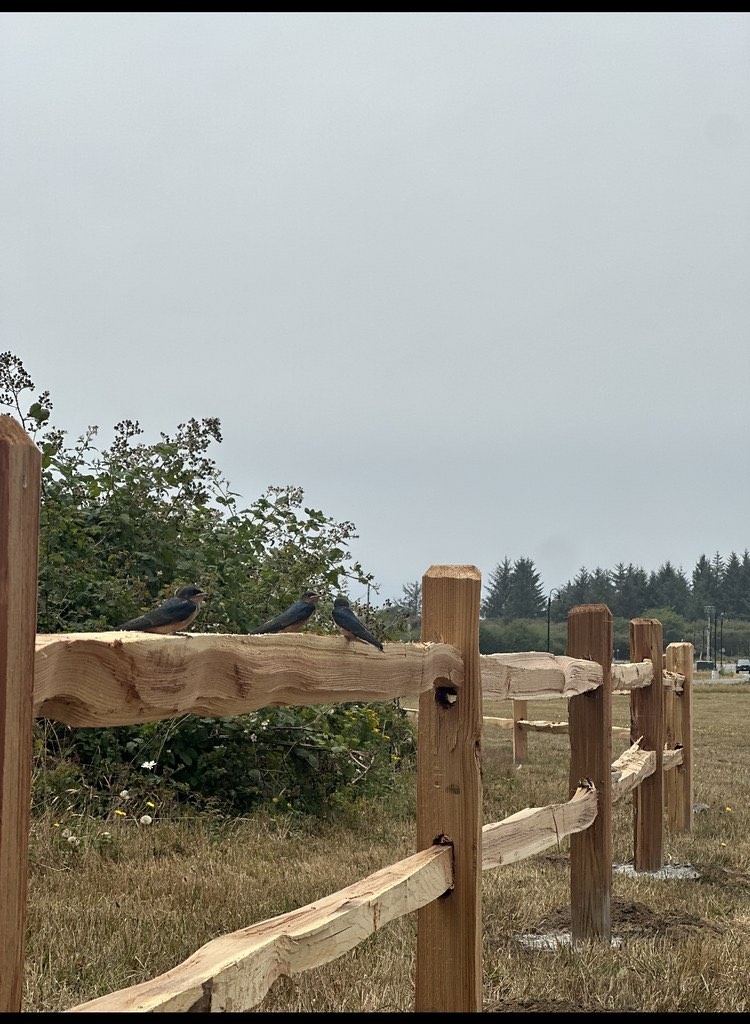
Split-rail and ranch wood. Rough-sawn redwood in 2 or 3 rail configurations. Decorative boundary fencing for ranch entrances and horse-property pastures (typically paired with interior field fence for actual containment).
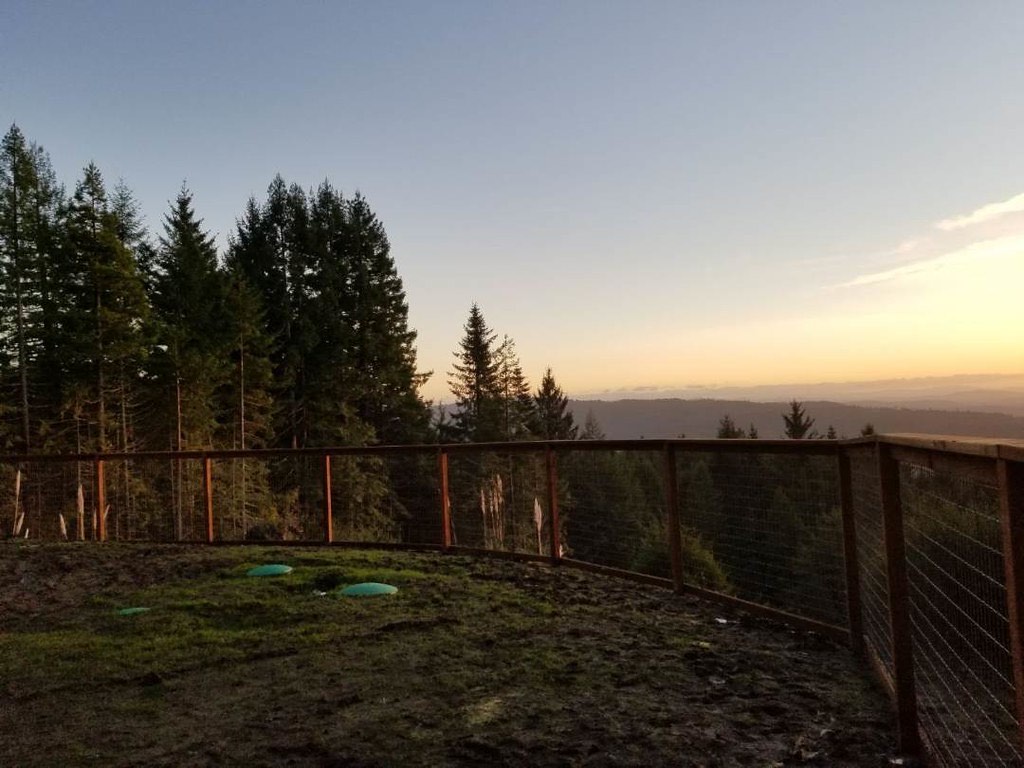
Deer exclusion fencing
Humboldt and Trinity counties have serious deer pressure. Columbian black-tailed deer are abundant across the region, and they will clear a 6-foot fence without hesitation. For reliable exclusion:
- 8-foot woven-wire deer fence: the standard spec. Fixed-knot or hinge-joint mesh, graduated spacing.
- Ground barrier: buried wire apron or tight-to-grade install to prevent squeeze-unders. This is the part most DIY deer fences skip.
- Corner bracing: horizontal tension from the mesh loads up at corners; proper H-bracing is mandatory.
- Equipment gates: tube-steel at 12, 14, or 16 ft for vehicle and tractor access, with chains or sag cables at the top to prevent deer from ducking under.
We install deer fence regularly across Willow Creek, Garberville, Redway, and Hoopa, the residential parts of our service territory where deer pressure and grower operations meet. See our deer fencing blog post for specifics.
Ranch gates
Every ag property has gates, and gates are where a lot of fences fail early if they're under-spec'd. We build:
- Tube-steel ranch gates at 12, 14, or 16 ft wide: welded tube frame, painted or powder-coated
- Wooden ranch gates in rough-sawn redwood, 4, 6 rail, more traditional aesthetic
- Automatic driveway gates for ranch entrances where controlled access matters, see our automatic gates page
- Pedestrian walk gates at strategic points, with spring-return latches so they self-close
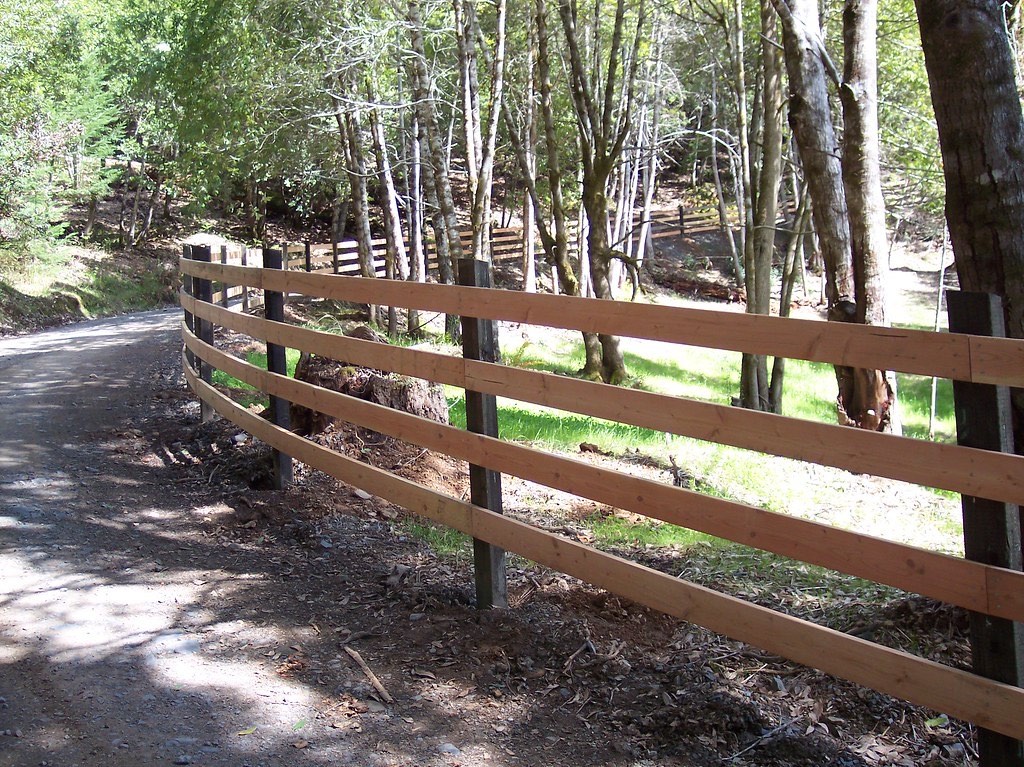
Corner and gate bracing, the detail that matters
One thing that distinguishes a good ag fence from a cheap one is the corner and gate bracing. The horizontal tension of a long wire run loads up at the corners. If the corner post isn't braced properly, the wires eventually pull the corner over, and once a corner goes, the whole run goes.
Our standard corner bracing:
- H-brace: two vertical posts connected by a horizontal rail and a diagonal tension wire. Solid under high wire tension.
- Diagonal brace: single brace rail from the corner post angled back to an anchor post. Simpler, good for moderate runs.
- Corner post size: 6-inch or 8-inch diameter treated wood, or heavier steel for high-security sites. Set 3, 4 ft deep in concrete or well-compacted clay.
Dairy fencing in the Ferndale delta
The Eel River delta around Ferndale is historic dairy country, and we do regular dairy work out there. Dairy operations need:
- Perimeter cattle fence with periodic cross-fencing for pasture rotation
- Woven-wire field fence around loafing pads and barns
- Heavy chain link along laneways to direct cow movement
- Tight mesh for calf paddocks (calves slip through standard cattle fence)
- Reinforced gate hardware, dairy gates see daily equipment traffic
Cost and timing
Ag fence pricing varies by type, height, post material, gate count, terrain, and total run. Common factors that move a quote:
- Wire type: barbed wire, high-tensile smooth, woven wire, deer fence; each has a different installed cost
- Strand count and height: 4-strand cattle vs. 5-strand vs. 8-ft deer fence
- Post spacing and material: treated wood, steel T-posts, hedge cedar
- Corner and gate bracing: H-braces and diagonal bracing add structural longevity (and cost)
- Gate count and sizing: 12-, 14-, 16-ft tube-steel ranch gates each priced per gate
- Terrain and access: flat valley parcels vs. rocky or sloped ground
Large projects (thousands of feet) get per-foot efficiency. Remote residential sites (deep southern Humboldt, the Hoopa Valley, the Mendocino coast near Willits) may include a mobilization line item if crews stay on-site. Every quote is itemized after an on-site walk-through, request a free estimate for your property.
Where we install ag fencing
Our residential ag work concentrates in the rural parts of our service area: Fortuna and the Eel River valley (dairy and mixed ag); Ferndale delta (historic dairy country); Willow Creek (Trinity River ranches, growers); Hoopa Valley (river-bottom ag); Garberville and Redway (Southern Humboldt grower operations); Redding (Shasta County ranch and ag); and ranch fence south to Willits. See all residential service areas →
For public works ag-adjacent fencing in Trinity, Tehama, Butte, Lake, Sonoma, or San Mateo counties (Caltrans right-of-way, county ag district facilities, and state-agency perimeters) see our Public Works page.
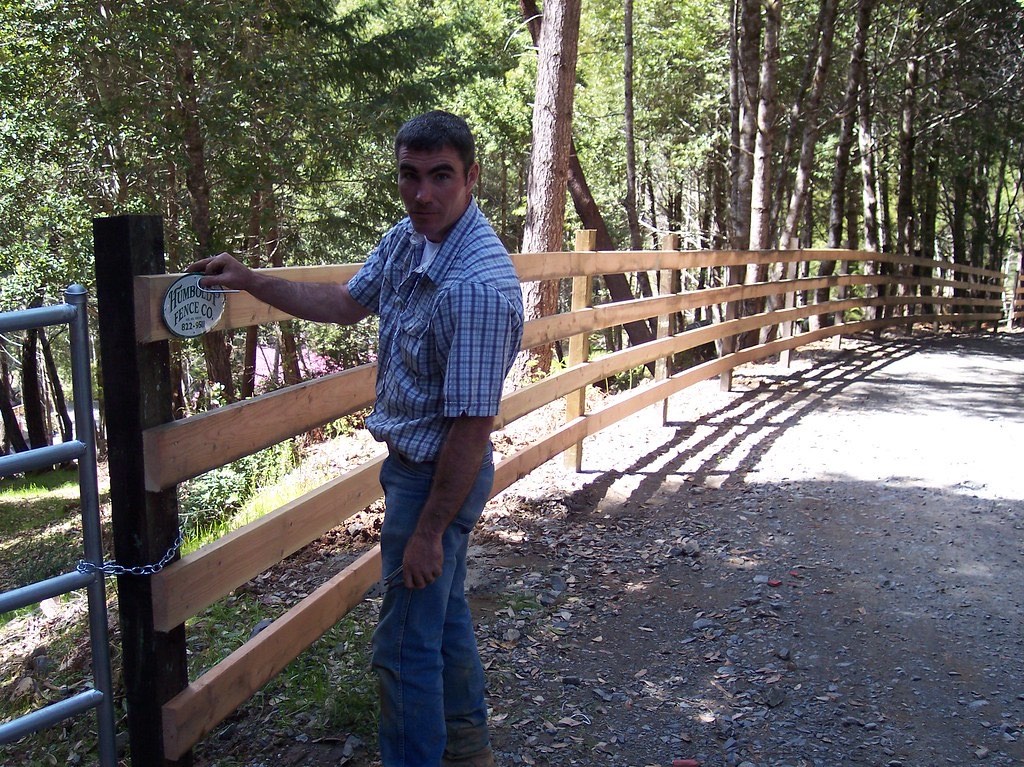
Recent ag and ranch fence projects
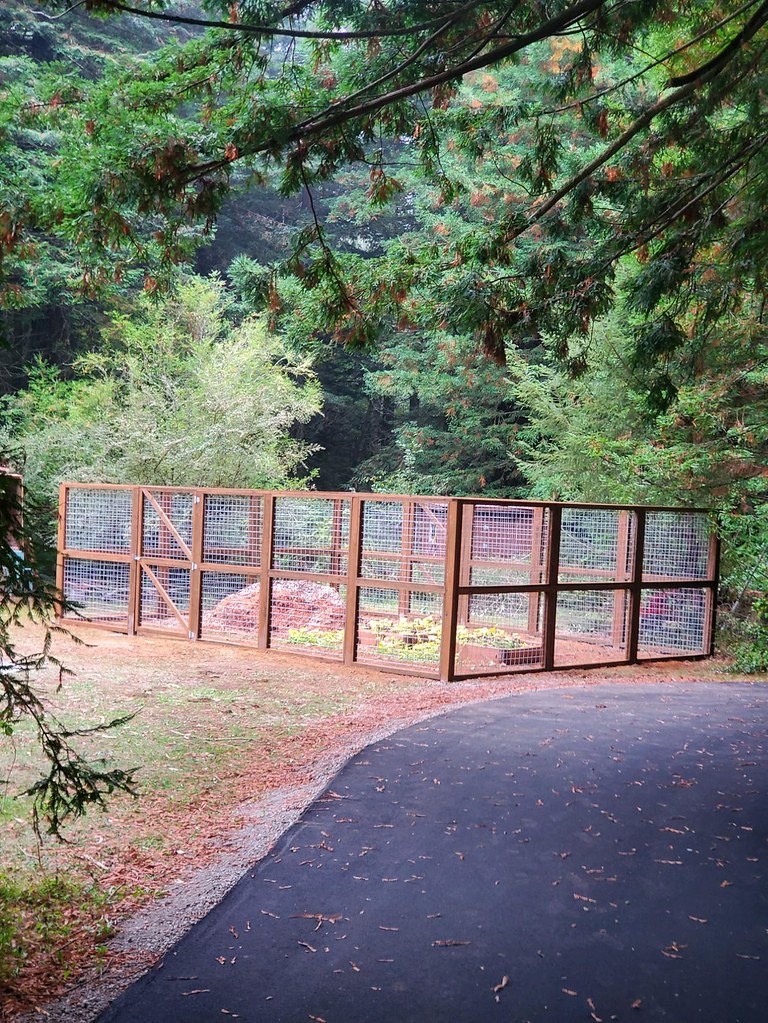
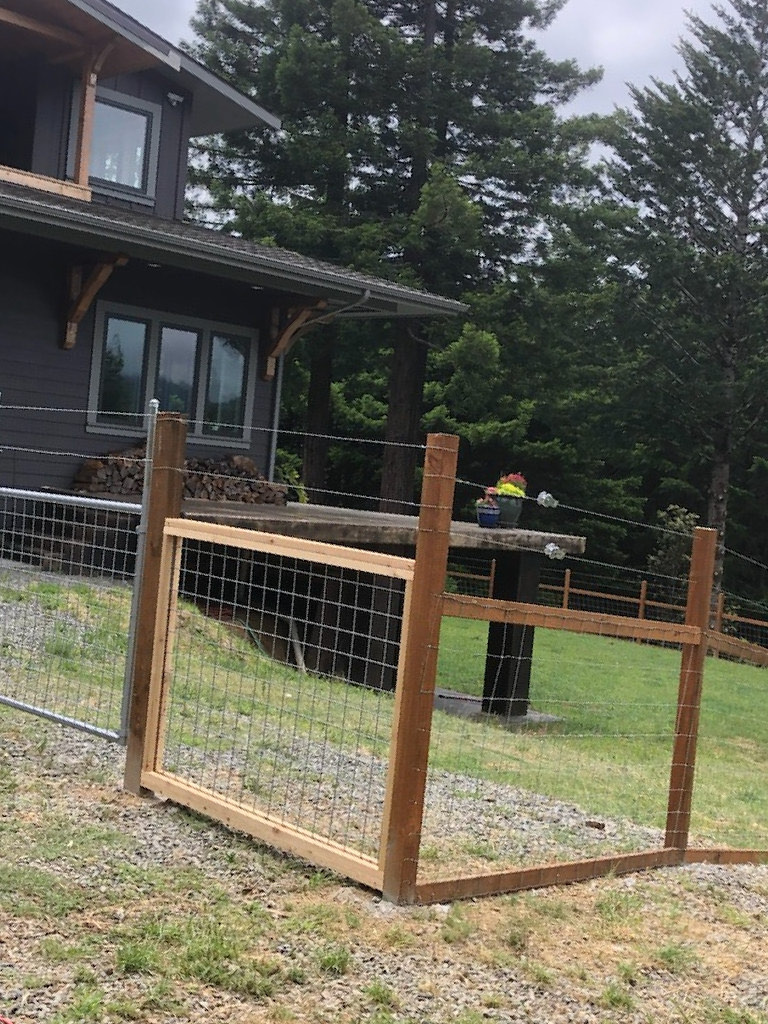
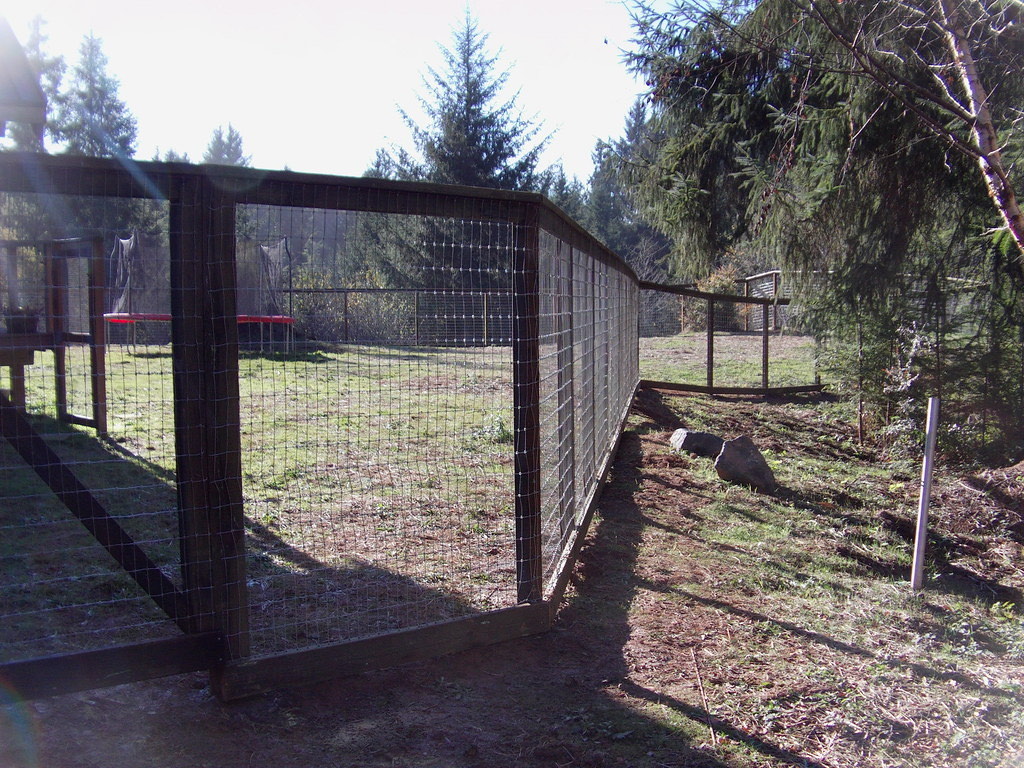
Working-ranch, dairy, grower, and rural-residential ag fencing across the North Coast and Trinity Valley.
Agricultural fencing FAQs
What height of deer fence do I need?
8 feet is the minimum for reliable deer exclusion in Humboldt and Trinity counties. Deer clear 6-foot fences without effort; 7-foot is the threshold and they'll still commit to it. 8-ft woven-wire deer fence with a ground barrier (buried apron or tight-to-grade install) is the reliable standard. See our deer fencing blog post for specifics.
How do you install barbed wire cattle fence?
Standard spec: 5 strands of galvanized barbed wire, treated wood posts at 16, 20 ft spacing, steel T-posts between, with H-brace or diagonal bracing at every corner and gate post. Corner and gate posts are 6-inch treated wood set 3, 4 ft deep in concrete or compacted soil. Wire spacing: 12", 10", 10", 10", 10" from the ground for cattle.
What's the difference between field fence and high-tensile?
Field fence (woven wire) is a fixed mesh grid: good for mixed livestock, small animals, and exclusion. High-tensile is single-strand smooth wire run at high tension across wider post spacing: more economical for long perimeter runs, can be electrified for training, and works well for rotational grazing of cattle and horses. We install both and can mix the two on a single ranch.
Do you install ag fence on large acreage in your residential service area?
Yes. Residential and ranch ag fence work covers Humboldt and Del Norte counties, Redding, and south to Willits. For jobs over a few thousand linear feet or remote properties (deep southern Humboldt, the Hoopa Valley, parts of Mendocino), our crew stays on-site through the install rather than driving back and forth from Fortuna each day.
What about ag fencing in Trinity, Tehama, Butte, Lake, Sonoma, or San Mateo counties?
Those counties are part of our public works coverage area only: Caltrans right-of-way, county and state agency facilities, utility and substation perimeters, school and parks-and-rec ag-adjacent fencing. We do not provide residential or private-rancher ag fencing in those counties. See our public works page for the bid process.
What kind of gates do ranch properties need?
Most ranches need a combination: tube-steel ranch gates (12, 14, or 16 ft wide) for equipment access, wooden ranch gates for traditional entries, and pedestrian walk gates at strategic points. We size gate hardware (hinges, latches) to the actual weight of the gate, this is where a lot of cheap ranch gates fail in the first few years.
Can you help with fence repair on an existing ranch?
Yes. We do repair work regularly (broken wire, sagging corners, gate hardware failures, flood damage) across working ranches and farms. If you'd rather have us rebuild a failing section than install new, call us and we'll walk the fence with you.
Get an ag fence quote
Free estimates for ranches, farms, dairies, and grower operations across Humboldt, Trinity, Shasta, Del Norte, Tehama, Butte, Lake, Sonoma & San Mateo counties.