

Wood Fencing
Redwood & Wood Fence Installation in Humboldt County, CA
Shadowbox, full-privacy, horizontal-board, picket, and custom redwood and cedar fences built for the North Coast climate. Locally sourced lumber, galvanized hardware, and post setting done right.
Wood fencing has an identity up here. Redwood is the regional signature. We're on the southern edge of the redwood belt, and locally milled redwood is both abundant and ideally suited to our wet climate. Humboldt and Del Norte weather is hard on fences: extended rain, salt-laden fog near the coast, and occasional high-wind storms like the one in January 2023 that blew down fences up and down Highway 101. We build wood fences that handle all of it (shadowbox, full privacy, good-neighbor, picket, lattice-top) in properly rated lumber with galvanized hardware that won't streak rust down the boards.
If you've ever looked at an old redwood fence that's weathered to silver but is still standing straight after twenty years, that's what we build. It isn't magic : it's heartwood, proper post setting, and hardware that doesn't corrode.
Why redwood suits Humboldt County
Redwood has natural tannins and oils that make it resistant to rot and insects without any chemical treatment. Heartwood (the inner, darker portion of the log) is dramatically more rot-resistant than sapwood (the outer, lighter portion). When we quote a redwood fence we're specific about heartwood content, a construction-heart grade will outlast a budget common grade by a decade or more in our climate.
Locally sourced matters. Redwood milled in Humboldt or Del Norte is generally tighter-grained than commodity redwood trucked in from other regions, because the trees grew in the same conditions the fence will live in. We work with local mills when we can, and we prefer vertical-grain and tight-knot lumber for fences that need to last.
Western red cedar is our secondary wood option, lighter, a touch more dimensionally stable, and beautiful when new. It's a bit less rot-resistant than heart redwood in the long run, but a legitimate choice if you want a different color palette or if redwood is out of budget. Pressure-treated pine is what most box stores sell; we'll install it if that's what you want, but it isn't what we recommend on the North Coast.
Styles we build
Shadowbox / good-neighbor. Overlapping boards on alternate sides of the rail give both neighbors an attractive face. The staggered pattern allows airflow, which reduces wind load on the fence and actually helps the wood dry out faster between rains. It's our most-recommended style for coastal Humboldt because of that airflow. Not fully private, there's 10, 20% see-through depending on board spacing.
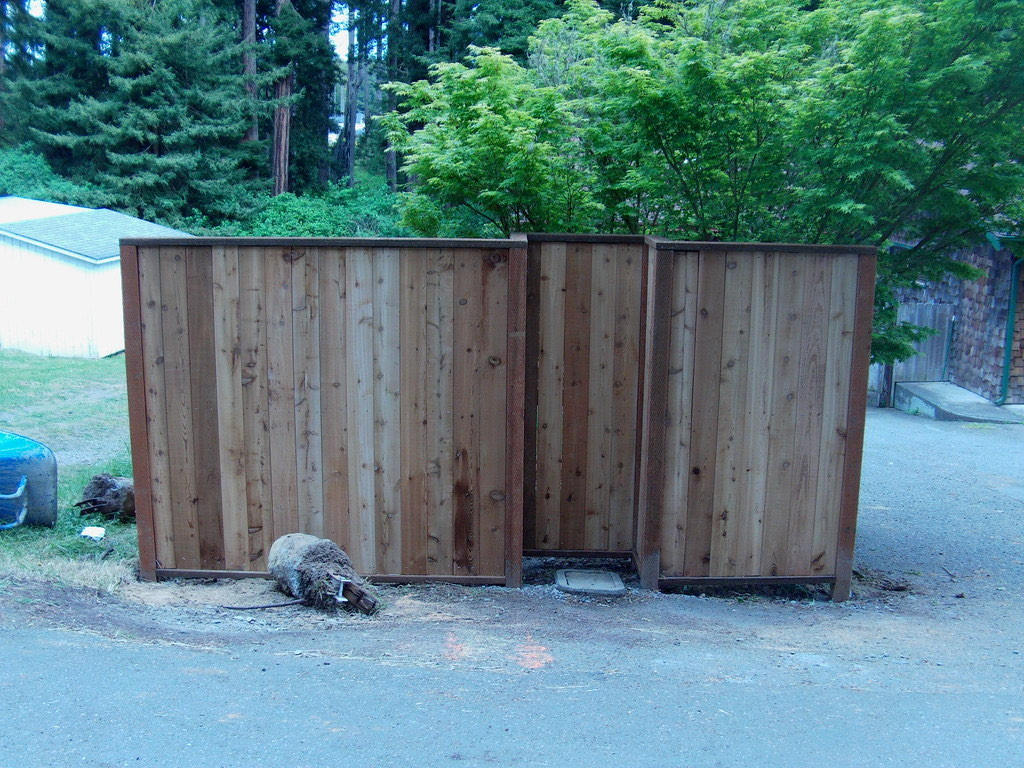
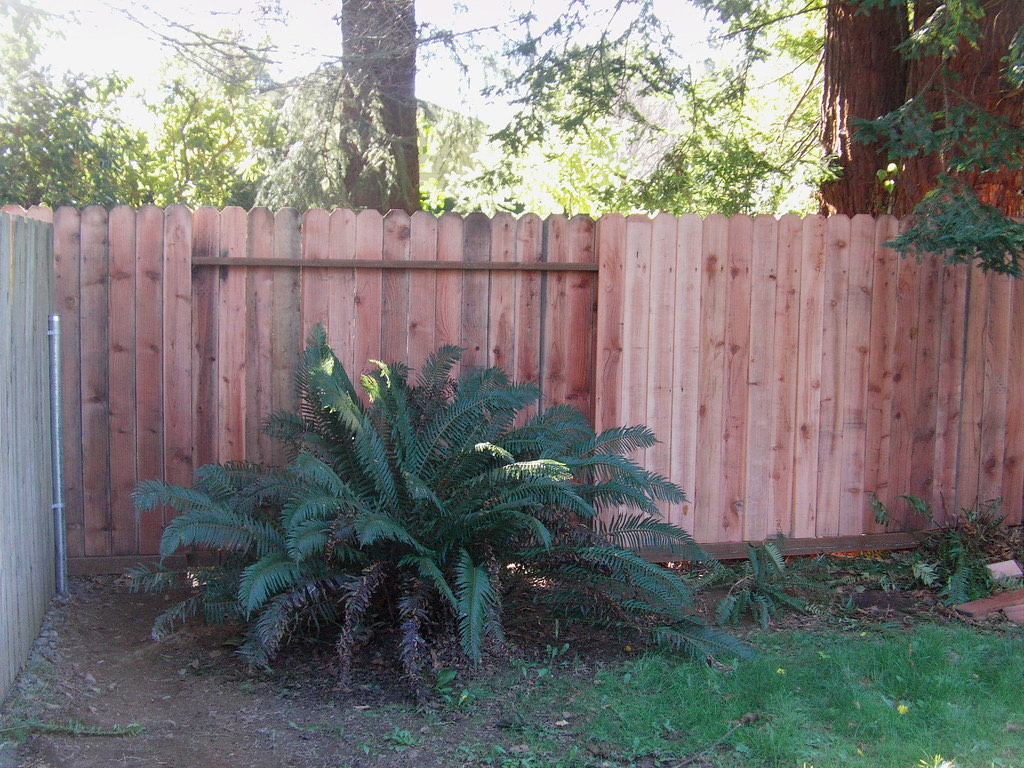
Full-privacy. Dog-ear, square-top, or flat-top boards butted edge-to-edge for 100% privacy. Clean look, but it catches more wind, so we upsize posts on exposed sites. Dog-ear is the most common top; square-top reads more modern.
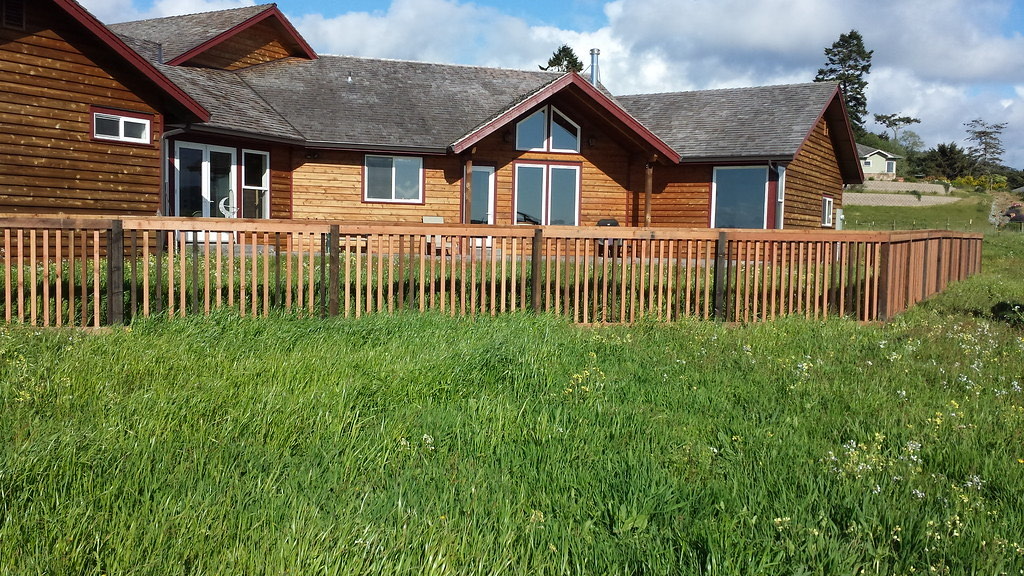
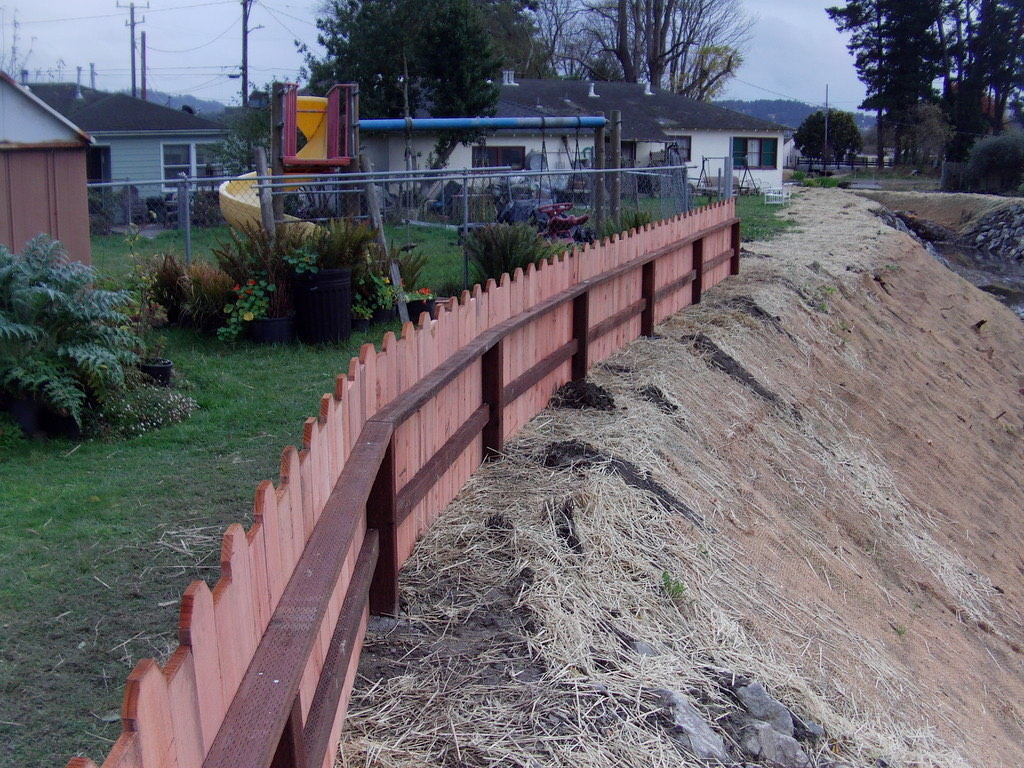
Picket. Classic front-yard fence with spaced pickets, usually 3, 4 ft. Gothic, French Gothic, flat-top, scalloped, arched, pick a profile. Popular in the historic districts of Ferndale and Eureka.
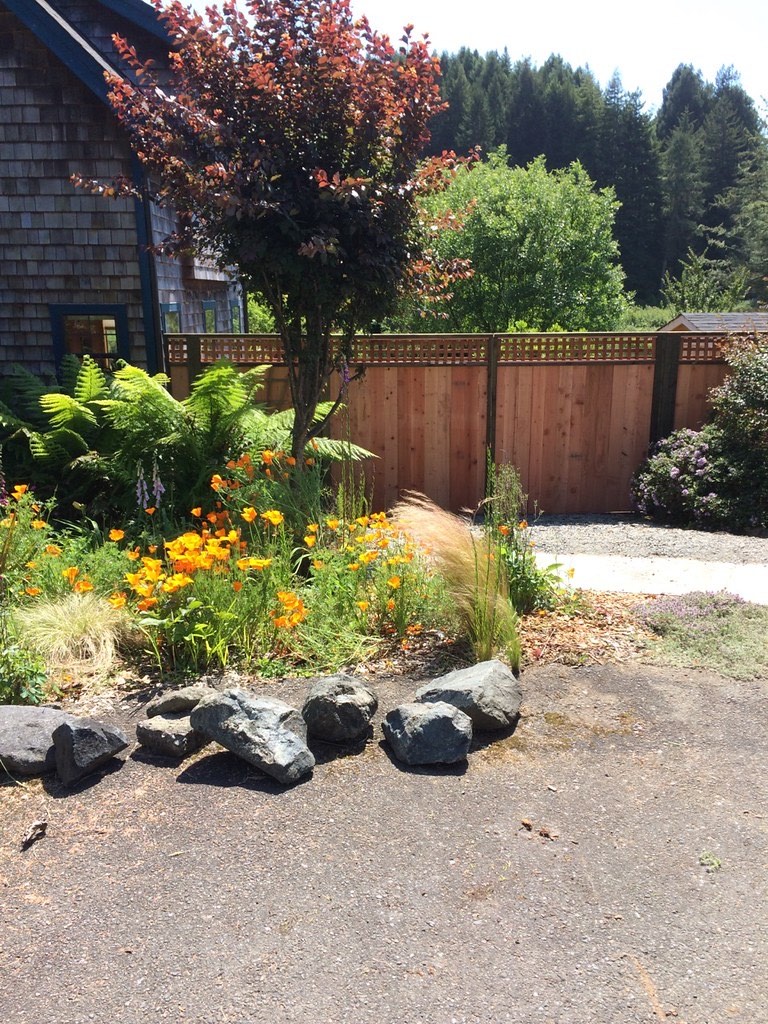
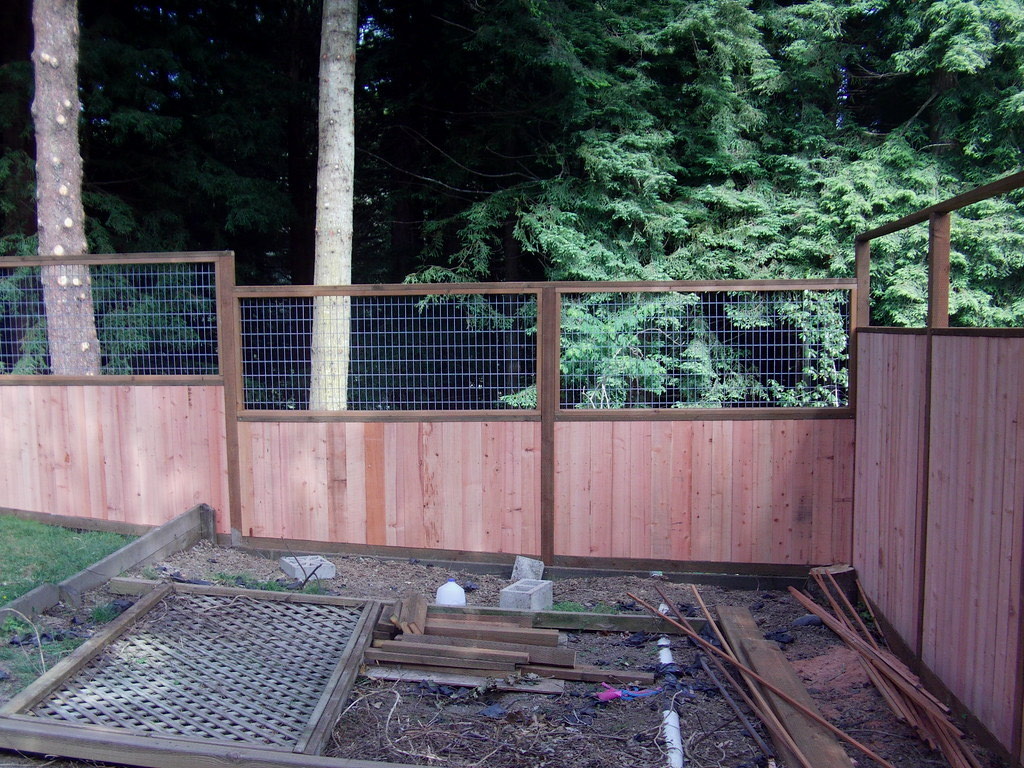
Lattice-top / accent top. Privacy fence below with decorative lattice 12, 18 inches above it. Adds light and airflow to a backyard while keeping privacy at eye level.
Horizontal board. Modern style with boards running horizontally instead of vertically. Looks excellent, typically redwood, usually 6-inch boards with a consistent reveal. Requires tighter post spacing and beefier posts because it has no natural vertical stiffening.
Board-on-board. Similar to shadowbox but fully double-overlapped for complete privacy. More material, heavier build, more cost, but full privacy with shadow lines that look great.
Hardware matters more than most customers realize
Hardware is where most wood fences fail early. Every nail, screw, bracket, hinge, and latch we install is hot-dip galvanized or stainless steel. We don't use electroplated or zinc-yellow hardware on exterior fences, the plating fails within a few Humboldt winters, then the rust bleeds through the boards and leaves streaks you can't clean off.
Post-to-rail connections are bracketed in galvanized steel. Pickets are attached with ring-shank galvanized nails or coated deck screws. Gates get heavy-duty galvanized hinges on bolt-through mounts, not lag screws, hinges on lag screws loosen over time from gate sag. We also install diagonal bracing inside every wood gate frame from the top-latch corner to the bottom-hinge corner, which is the only way to keep a wood gate from drooping.
Post setting done right
Wood-fence failure almost always starts at the posts, specifically at the ground line, where moisture cycles and soil fungi attack the wood. We set posts in one of two ways, depending on the job:
- Direct-bury heart redwood posts (4×4 or 4×6), bedded in compacted gravel with a concrete collar above ground line so water drains away from the post rather than pooling around it.
- Galvanized steel post embedded in concrete with the wood post mechanically fastened to the steel above grade. The wood never touches the ground. This is our go-to for high-value installs, board-on-board, horizontal-board, and anywhere the client wants maximum fence life.
Recent wood fence projects
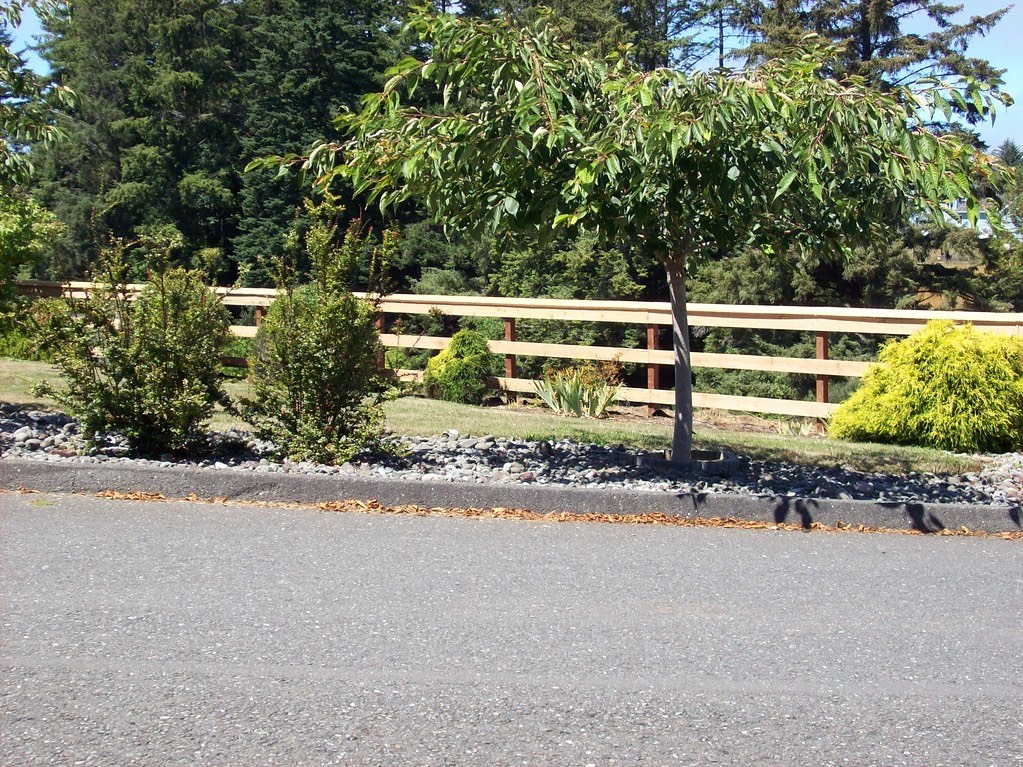
Redwood and cedar builds from across Humboldt County: residential, rural, and everything in between.
Cost and timing
Wood fence pricing depends heavily on wood grade (heart redwood vs. construction grade), hardware spec, terrain, gate count, and whether demo of an existing fence is part of the scope. Cedar runs similar or slightly less than redwood. Specialty builds (horizontal-board, board-on-board, custom lattice tops, hillside stepped or racked installs) are priced individually based on the design and labor scope. Every quote is itemized after an on-site walk-through, request a free estimate.
A typical 100-foot residential run takes 3, 4 working days: dig and set posts on day one, concrete cure on day two, frame on day three, board and hardware on day four. Hillside jobs, complex gates, and historic-district installs take longer. All of this gets walked and scoped on-site during the estimate.
Where we install wood fencing
Wood is the most common residential fence material in every coastal city we serve. Most weeks we're running redwood jobs in Eureka, Arcata, Fortuna, McKinleyville, and Ferndale. We also do meaningful volume in Trinidad, Rio Dell, and Garberville, and over in Redding where the Sacramento Valley climate is drier but redwood is still a residential default. See all residential service areas →
Wood fencing FAQs
Redwood vs. cedar vs. pressure-treated, which should I choose?
For Humboldt County, heart redwood is almost always our first recommendation. It's locally available, rot-resistant without chemical treatment, and handles our wet climate better than anything else. Western red cedar is a legitimate second choice, slightly more dimensionally stable but a touch less rot-resistant long-term. We'll install pressure-treated pine if a client insists, but we'll tell you honestly it checks, splits, and bleeds chemicals in our climate faster than it rots.
How long does a redwood fence last in Humboldt County?
A properly built heart-redwood fence with galvanized hardware and correct post setting will look good for 20, 25 years and stay standing for 30+. The wood will weather to silver-gray in about 18 months if left unsealed, that's normal and expected. The failure mode is almost always at the posts or at the hardware, both of which we spec to outlast the fence boards themselves.
Do you install horizontal board fences?
Yes, horizontal-board is one of the more popular modern styles we build, usually in redwood. The look is clean, but the construction matters: because horizontal boards have no natural vertical stiffening, we use tighter post spacing and beefier posts, and we often embed galvanized steel post inserts in the concrete footings so the wood never touches grade.
Can you build a fence on a hillside or sloped yard?
Yes. We have two approaches: step the fence (level panels dropped stepwise to follow grade (cleaner look, small triangular gaps at the base) or rack the fence (panels that angle to follow the slope continuously) no gaps, more complex build). Which we recommend depends on the slope percent and the aesthetic you're after. We'll walk the site and talk through both.
What fence style holds up best in high-wind areas?
Shadowbox (good-neighbor) is our first pick for wind-exposed Humboldt sites. The alternating-board pattern allows airflow through the fence, which dramatically reduces wind load on the posts. Full-privacy board fences catch much more wind and require upsized posts, deeper footings, and more frequent bracing to survive storms like the high-wind events we saw in January 2023.
Do you stain or seal fences after install?
We leave new redwood and cedar to weather naturally by default, most Humboldt customers prefer the silver-gray patina. If you want to preserve the warm red tone, we can apply a UV-blocking penetrating oil-based sealer after the wood has fully dried out (usually 4, 6 weeks after install in our climate). Sealing should be redone every 2, 3 years to keep its effect.
Get a wood fence quote
Free estimates for redwood, cedar, and custom wood fences across the North Coast.