Ferndale · Ag & Dairy · Eel River Delta
Agricultural & Dairy Fencing in Ferndale, CA
Cattle fence, high-tensile, woven-wire field fence, and ranch gates for working dairies and ranches across the Eel River delta around Ferndale.
Ferndale and the Eel River delta are some of California's oldest continuously-working dairy country. Cattle have been grazing this land for over 150 years, and the dairies have adapted their operations to the delta's specific soil conditions, flood patterns, and pasture rotation needs. Our dairy and ag fence work in Ferndale reflects what those operations actually need: working perimeters, cross-fencing for rotation, calf paddocks, laneways for cow movement, and gates that survive daily equipment traffic.
Where dairy fence work concentrates
- Centerville Road corridor: historic dairies on the west side of town
- Port Kenyon Road: working pastures across the delta
- Ferndale Creamery area: working dairies near the historic creamery
- Fernbridge / Loleta side: ranch and pasture, mixed dairy and beef
- Wildcat Hill / Capetown corridor: coastal-edge ranches with steep grades
Standard dairy fence specs
Common scopes for dairies and ranches around Ferndale:
- Perimeter cattle fence: 5-strand barbed wire, treated wood posts, T-posts between, H-bracing
- High-tensile rotation fence: for managed grazing operations, 5-7 strands, sometimes electrified for training
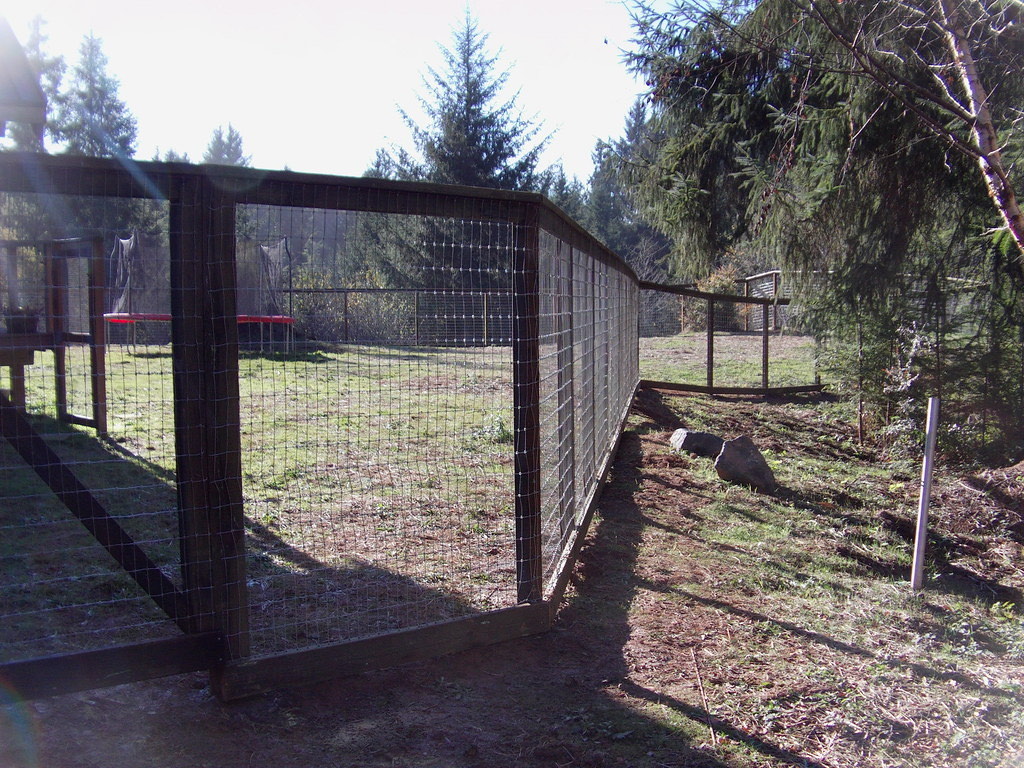
- Field fence (woven-wire): for loafing areas, calf paddocks, and operations with mixed livestock
- Chain link laneways: directing cow movement between barn and pasture
- Tube-steel ranch gates: 12, 14, or 16 ft, with heavy-duty galvanized hinges sized for the gate weight
Delta soils and flood considerations
The Eel River delta has soft, river-silt soils that behave differently from rocky inland ground. Posts settle differently, flood seasons saturate footings, and corner bracing has to resist tension wire pull through soil that gives. Our delta fence spec accounts for this:
- Deeper post-setting than rocky ground, typically 36+ inches on corners and gates
- Concrete footings sized for swell during saturated periods
- Drainage detail at post bases on flood-prone parcels
- Sometimes galvanized post inserts (for the most flood-prone sections, where wood posts would heave)
Working with multi-generational ranches
Many Ferndale dairies are multi-generational operations. We work with operators on phased rebuilds, replacing failing sections without interrupting daily operations, scheduling install windows around milking schedules, and coordinating gate replacements with equipment access needs. We've worked with enough delta dairies to understand the rhythm of a working farm.
How this fits with our other Ferndale work
For Ferndale wood-fence (Victorian-district picket and historic residential) and ornamental iron, see our main Ferndale service area page or Ferndale wood fencing / Ferndale ornamental iron. For ag fence specs across our service area, see the agriculture fencing page.
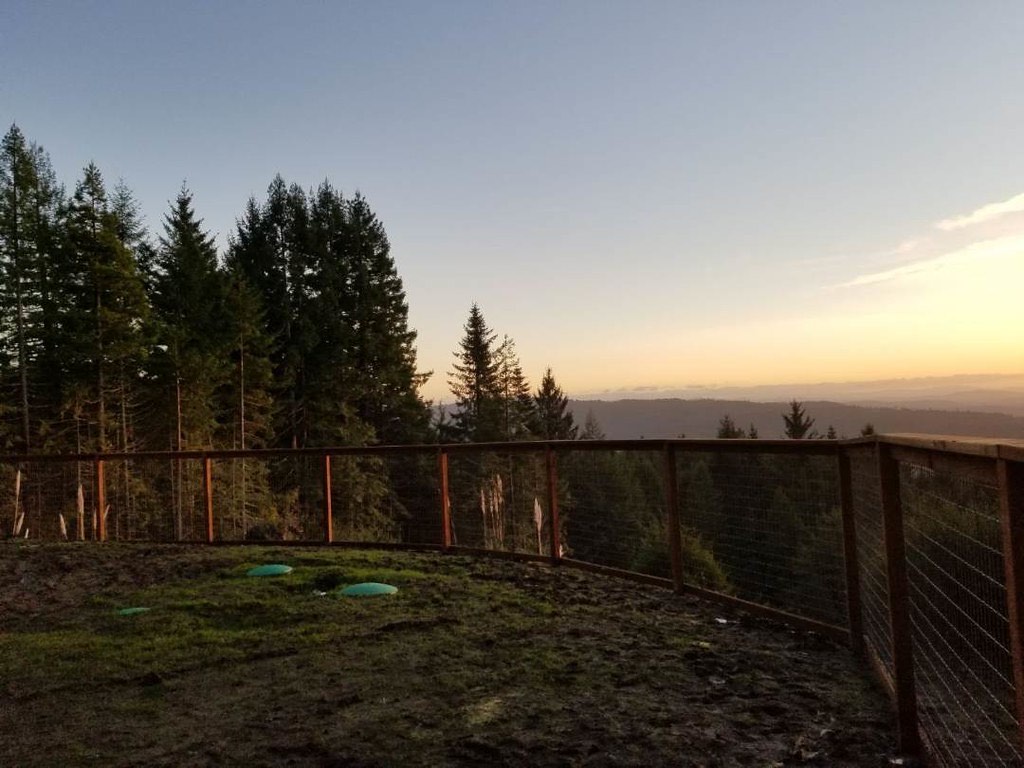
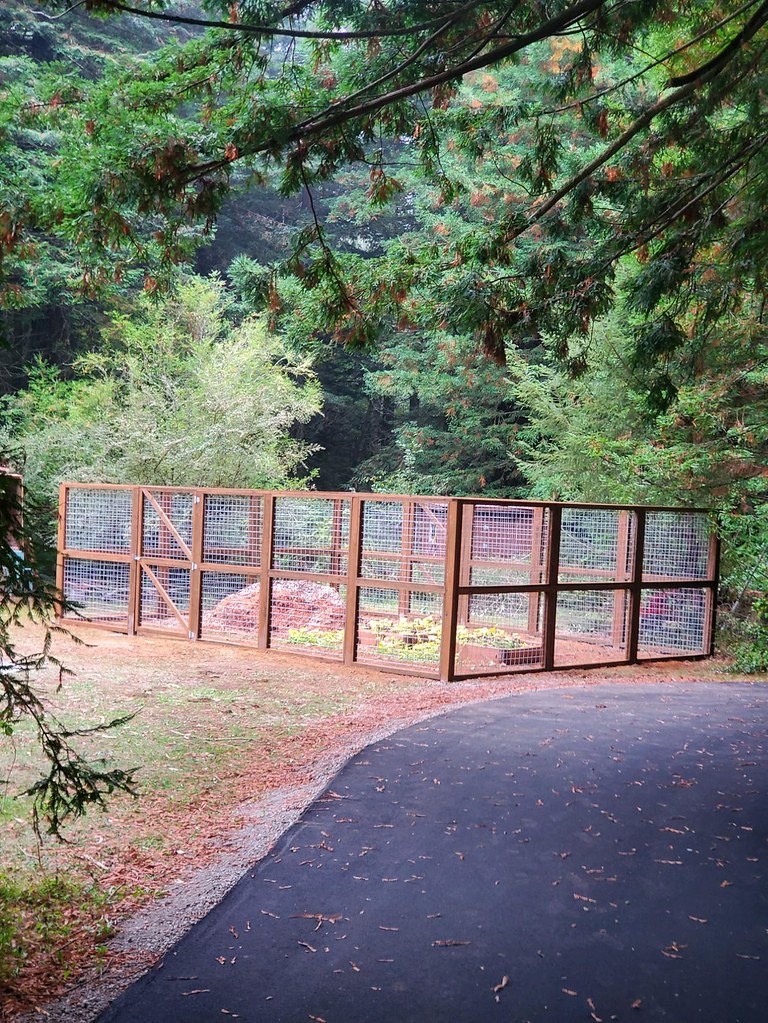
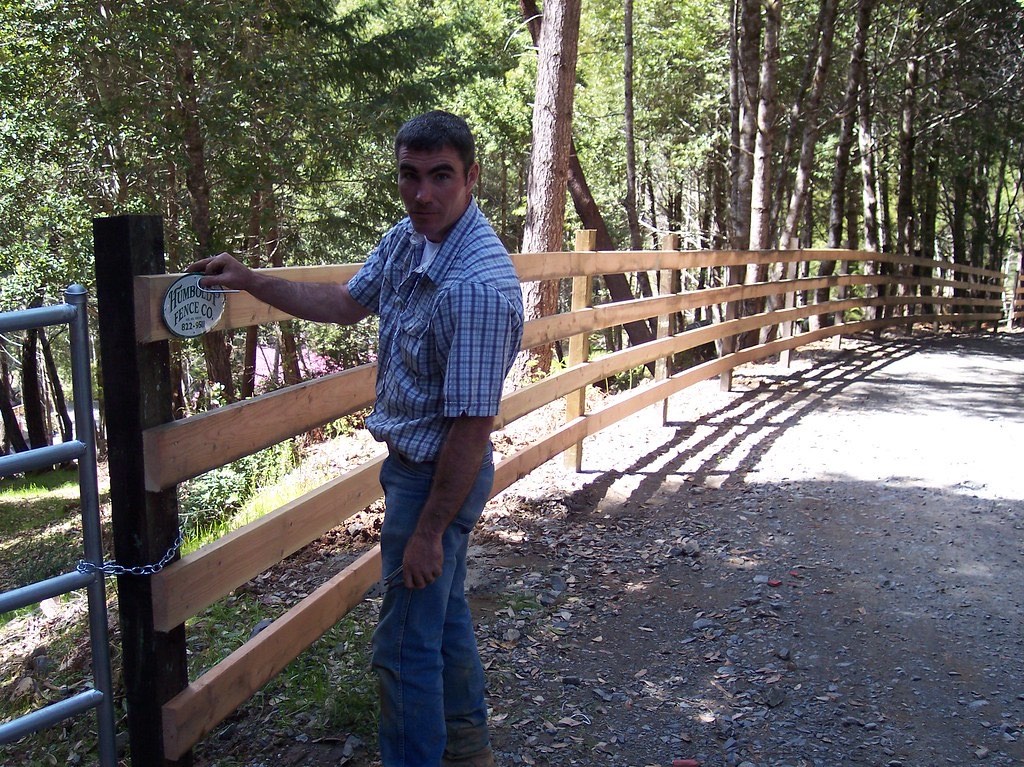
Ferndale ag fence examples
Working dairy, cattle, and pasture fence across the Eel River delta.
Ferndale service area
Ferndale dairy & ag fence FAQs
Do you do dairy fencing in the Eel River delta?
Yes, regularly. The Eel River delta around Ferndale is some of California's historic dairy country, and we work with dairies and ranches across the delta: Ferndale Creamery area, Centerville Road corridor, Port Kenyon Road, and out toward Loleta. Standard scopes include perimeter cattle fence, cross-fencing for pasture rotation, woven-wire field fence around loafing pads and barns, and chain link laneways for cow movement.
What's the right cattle fence spec for Ferndale's delta soils?
5-strand barbed wire is the workhorse, galvanized barbed wire on treated wood posts at 16, 20 ft spacing, T-posts between, with H-bracing at corners and gates. The delta's soft river-silt soils require deeper post-setting than rocky ground. We typically go 36+ inches on corner and gate posts, with concrete footings sized for the saturated-soil swell during winter floods.
Can you handle calf paddocks separately from cattle perimeter?
Yes. Calves slip through standard cattle fence. They'll find any gap larger than about 4 inches. For calf paddocks we use woven-wire field fence with tight bottom spacing (2, 4 inches) and slightly shorter post spacing for stiffness. Often we install the perimeter cattle fence in one phase and calf paddock infrastructure in a second, depending on operation needs.
How does flood season affect Ferndale ag fence work?
The Eel River delta floods in big winters, sometimes for weeks. Fences in flood zones need posts that can ride out saturation cycles without heaving. We use deeper concrete footings, drainage detail at the post base, and sometimes galvanized post inserts for the most flood-prone sections. We're upfront if a particular run is likely to need rebuild attention after a major flood year.
Do you install on historic Ferndale ranches?
Yes, many of the dairies and ranches around Ferndale have been operating for generations. We work with operators on perimeter and cross-fencing for working pasture, ranch entry gates, and occasionally split-rail or decorative wood for the entry-corridor sections that face Main Street and county roads. Function first, with appropriate aesthetics where they matter.
Get a Ferndale ag fence quote
Free estimates for working dairies, ranches, and historic pasture properties.
Ferndale dairy fence project?
Eel River delta spec: built for the soil, the floods, and the working ranch.